Education & Resources
Evidence-based education on nutrition, physique development, recovery, and long-term health. Written for people who want to understand the why behind what they're doing — not just follow a plan.
Education Series
GLP-1 medications have become one of the most talked-about tools in weight management and metabolic health. Before making any decision about these medications, understanding how they actually work — and what they require of you — is essential. This series breaks it down without hype and without dismissiveness.
4 Articles
GLP-1 Medications Education
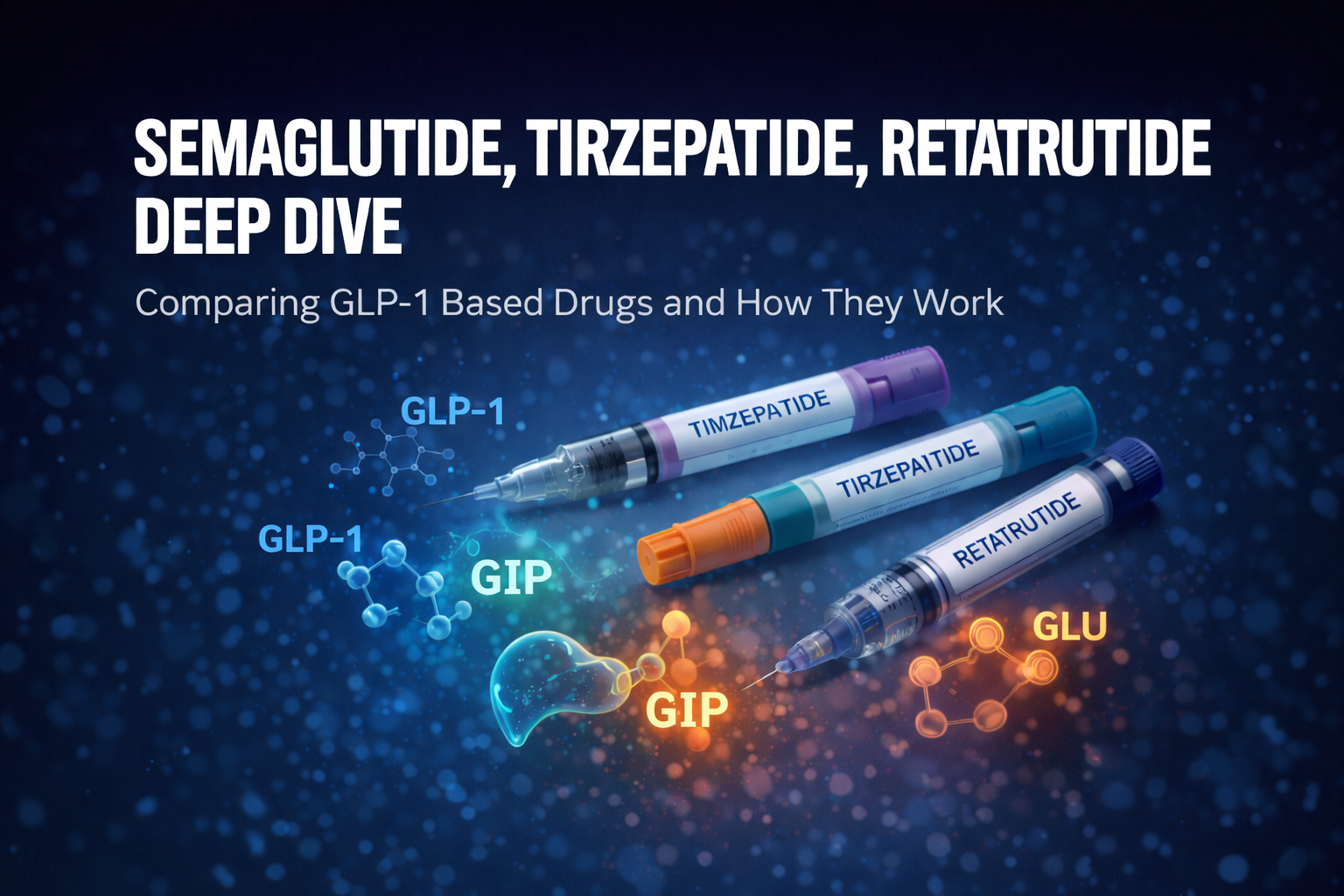
A concise educational overview of semaglutide, tirzepatide, and retatrutide — what each compound targets, how they differ from one another, and why the receptor science behind them matters.
GLP-1 Medications Education
GLP-1 medications are not a universal solution. There is a meaningful difference between someone who is a strong candidate for this intervention and someone who may be reaching for a tool that isn't the right fit yet.
GLP-1 Medications Education
There is a dangerous narrative spreading around GLP-1 medications — that they do the work for you. That narrative is leading people toward outcomes they never expected, and not in a good way.
GLP-1 Medications Education
Full mechanism breakdowns, clinical trial data, dosing protocols, and side effect profiles for all three compounds — everything you need for an informed conversation with your physician.
Education Series
Understanding the macronutrients — protein, carbohydrates, and fat — is the foundation of any results-driven approach to health and body composition. These articles break down what each one actually does and why the mainstream narratives around them are often incomplete.
3 Articles

Nutrition
Protein is the most important macronutrient for body composition — but most people either undereat it or misunderstand what it actually does. This article breaks down the science clearly.

Nutrition
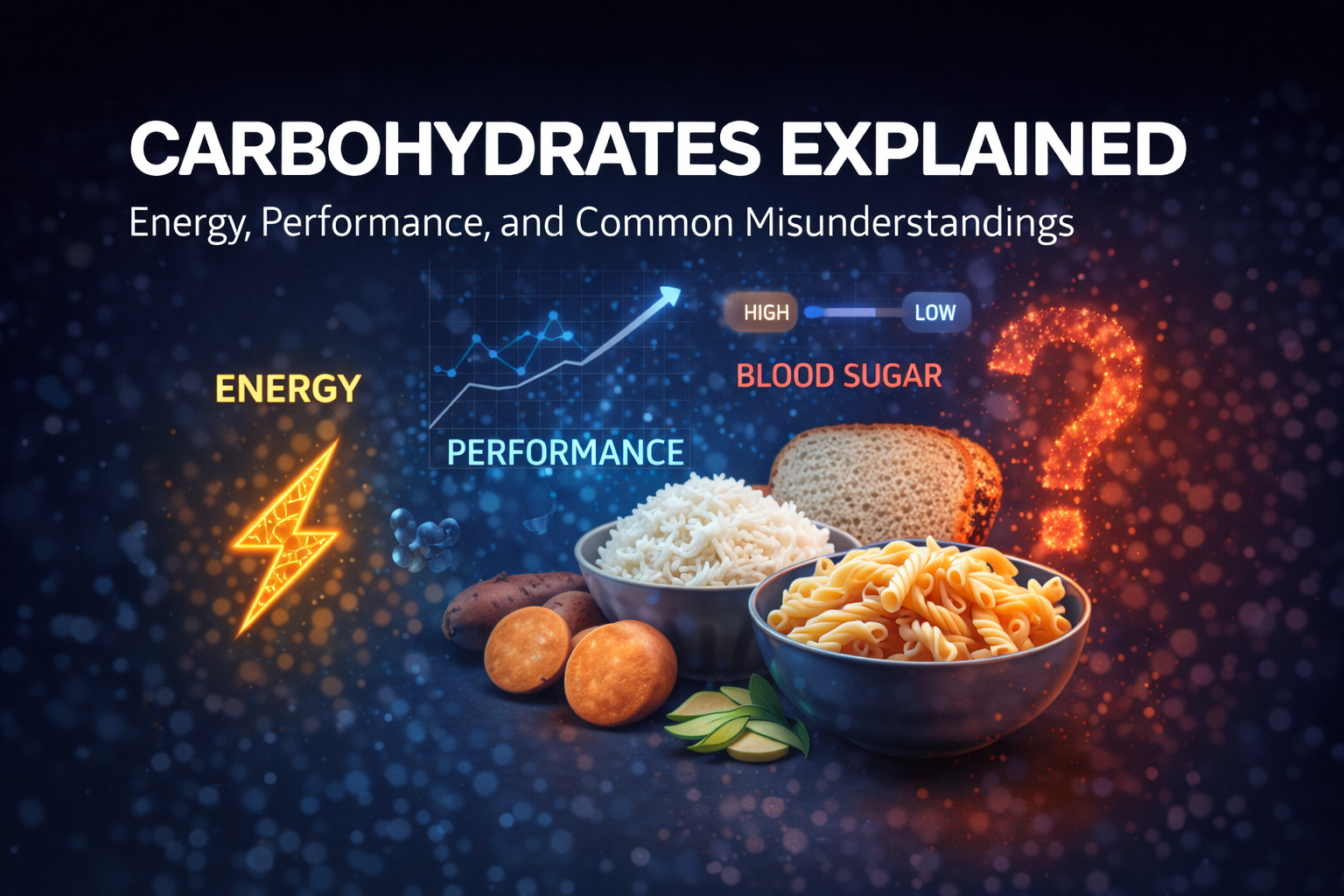
Carbohydrates have been blamed for everything from weight gain to inflammation. Most of it is wrong. Here is what the evidence actually says about carbs, fuel, and performance.

Nutrition
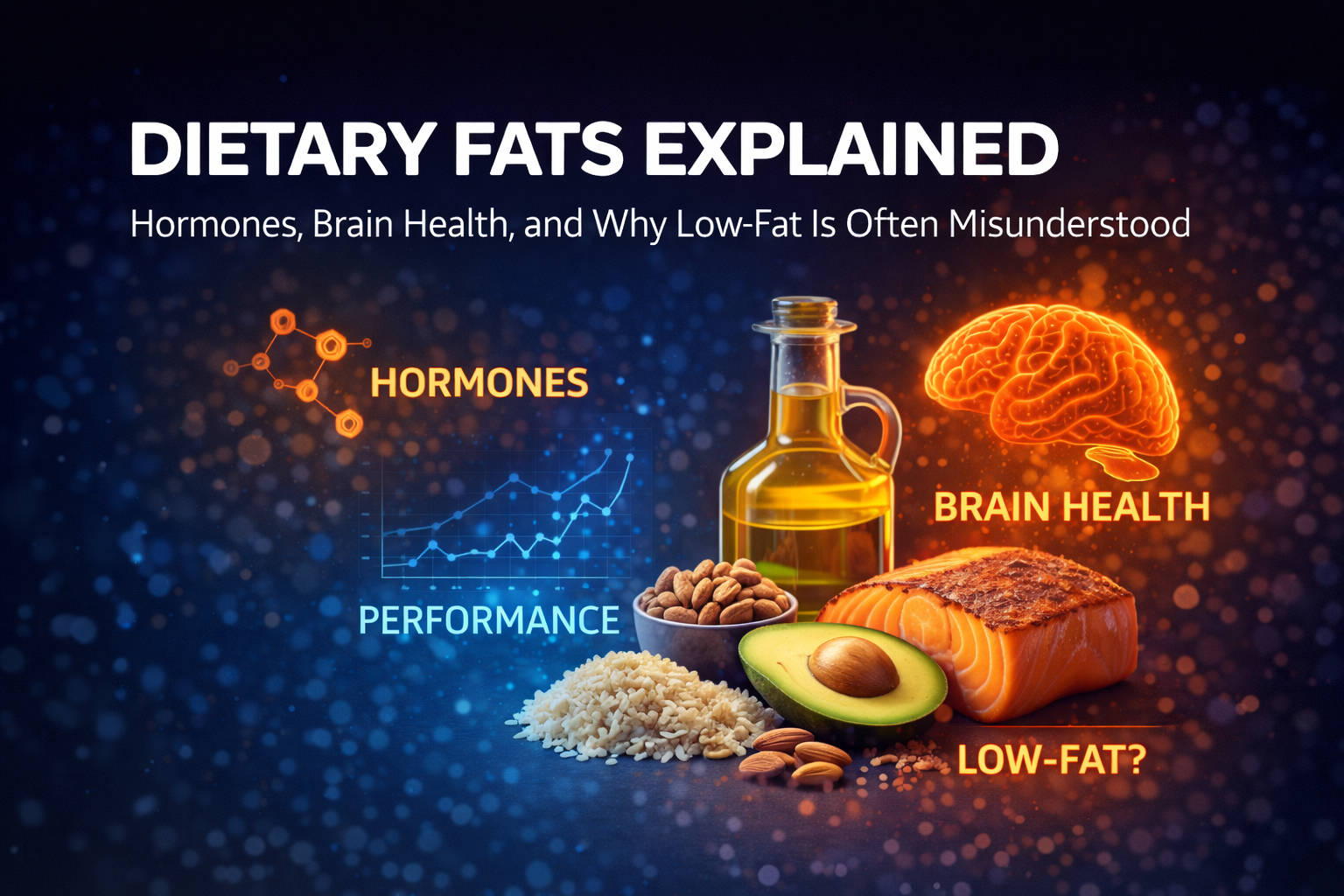
Dietary fat was demonized for decades. The science has moved on. Understanding the role fat plays in hormones, brain function, and satiety is essential for making smart food decisions.
Education Series
Progress is built during recovery, not training. Sleep, stress management, and understanding how different types of exercise affect your recovery capacity are foundational to any long-term result.
3 Articles

Recovery
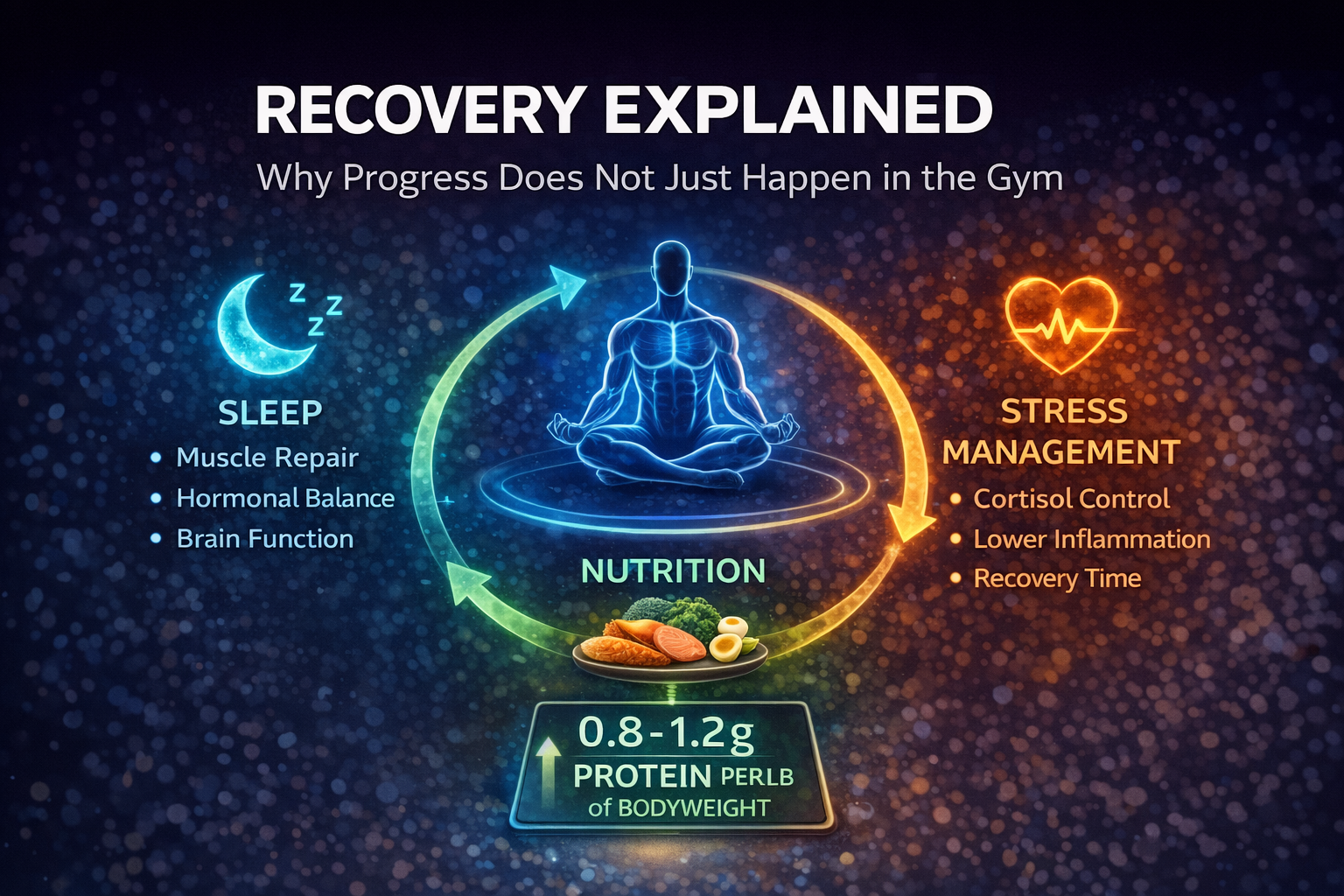
Training is the stimulus. Recovery is where adaptation happens. Understanding what recovery actually involves — and what slows it down — is essential for anyone training consistently.

Recovery
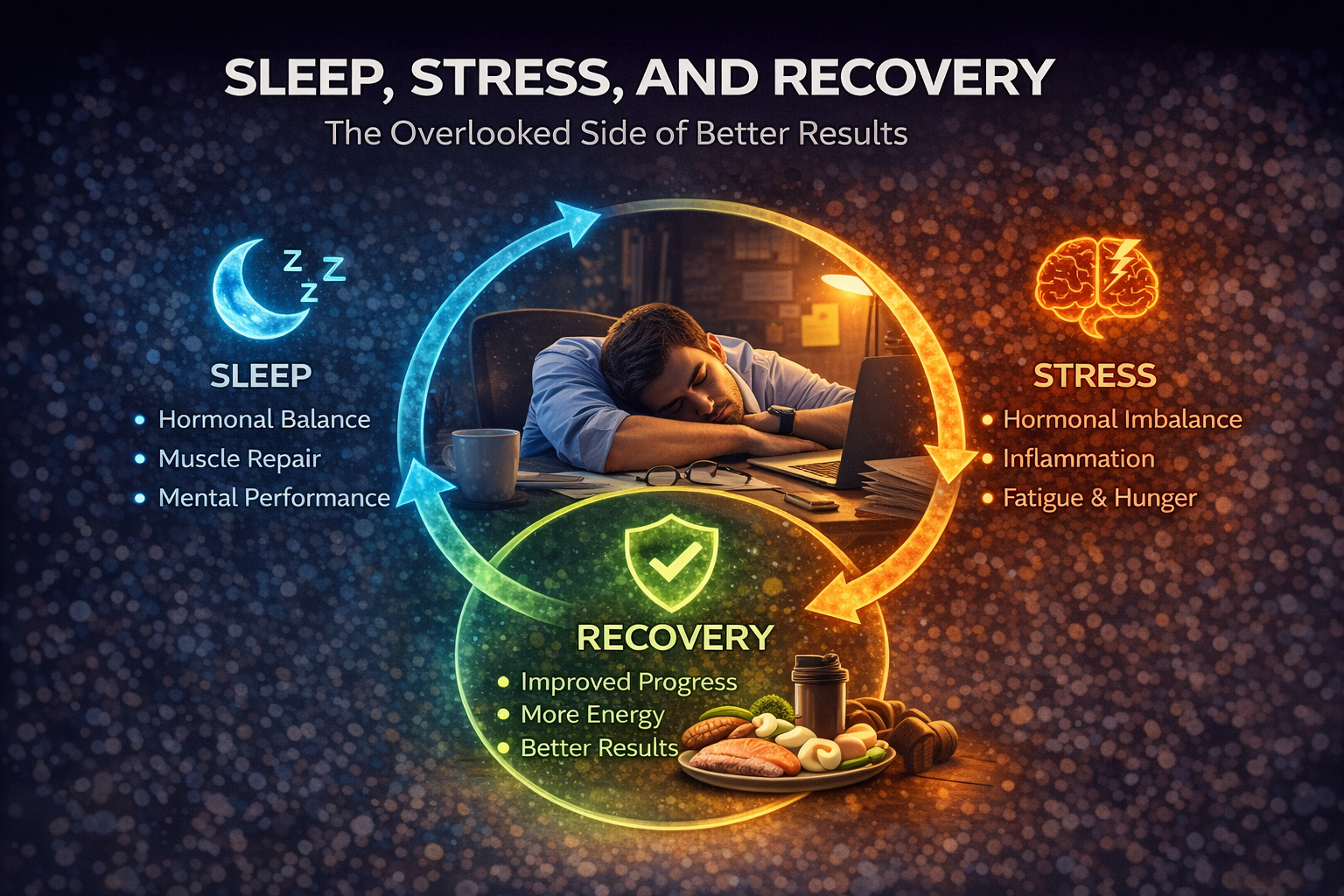
Most people track their training meticulously and ignore everything else. Sleep quality and chronic stress are two of the most powerful levers in body composition — and almost no one addresses them.

Recovery
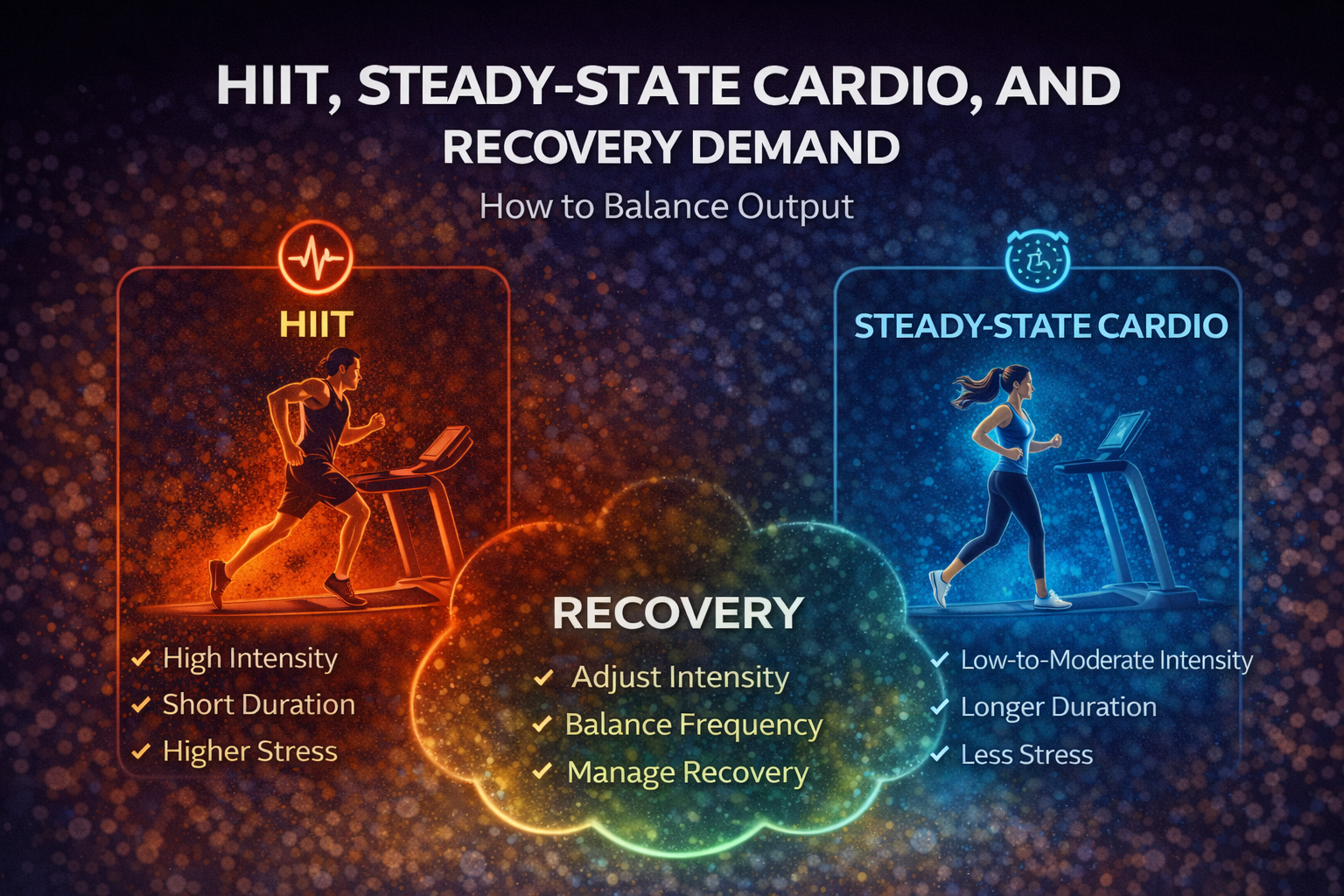
Not all cardio has the same recovery cost. Understanding the difference between high-intensity and low-intensity output — and how to program both intelligently — makes a significant difference in results.
Education Series
Hormones regulate nearly every process related to body composition, energy, and long-term health. This series explains the key hormones most relevant to fat loss and performance — clearly, without oversimplifying.
3 Articles

Hormones
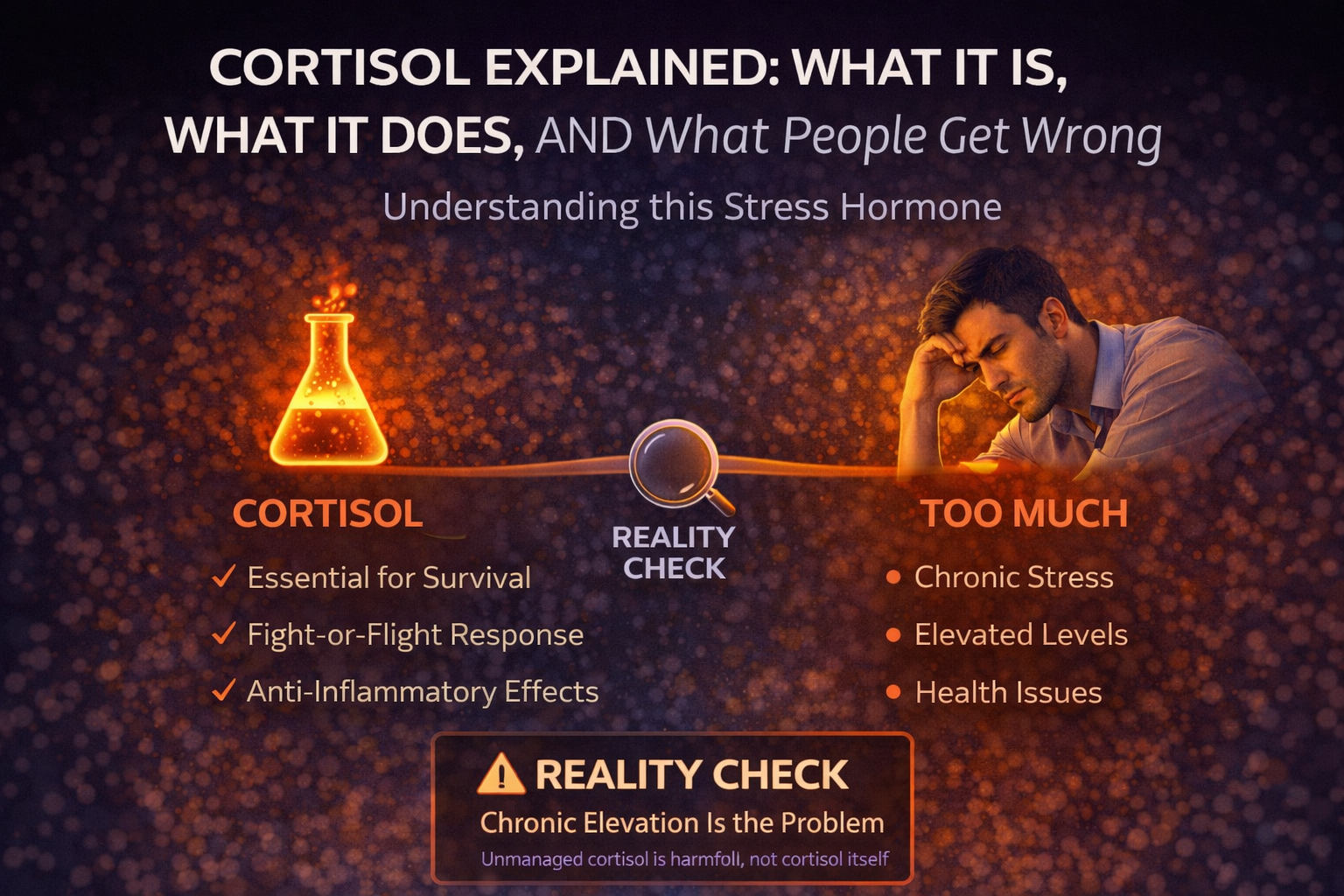
Cortisol gets a bad reputation, but it is essential for survival. The problem is not cortisol itself — it is chronic, unmanaged elevation. Here is what the science actually says.

Hormones
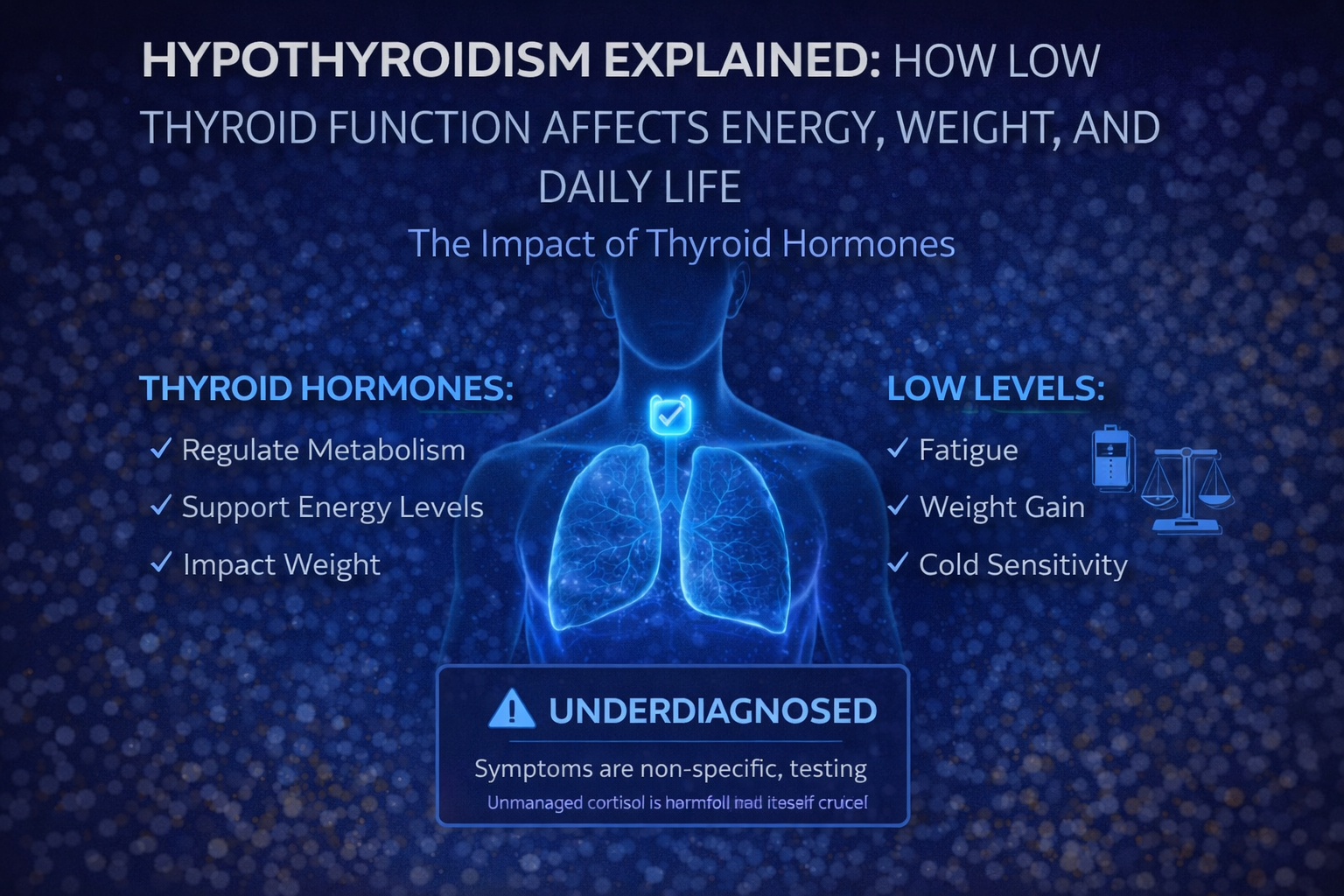
Hypothyroidism is common, frequently underdiagnosed, and widely misunderstood. This article explains how thyroid hormones regulate metabolism and what to know if you suspect your thyroid is underperforming.

Hormones
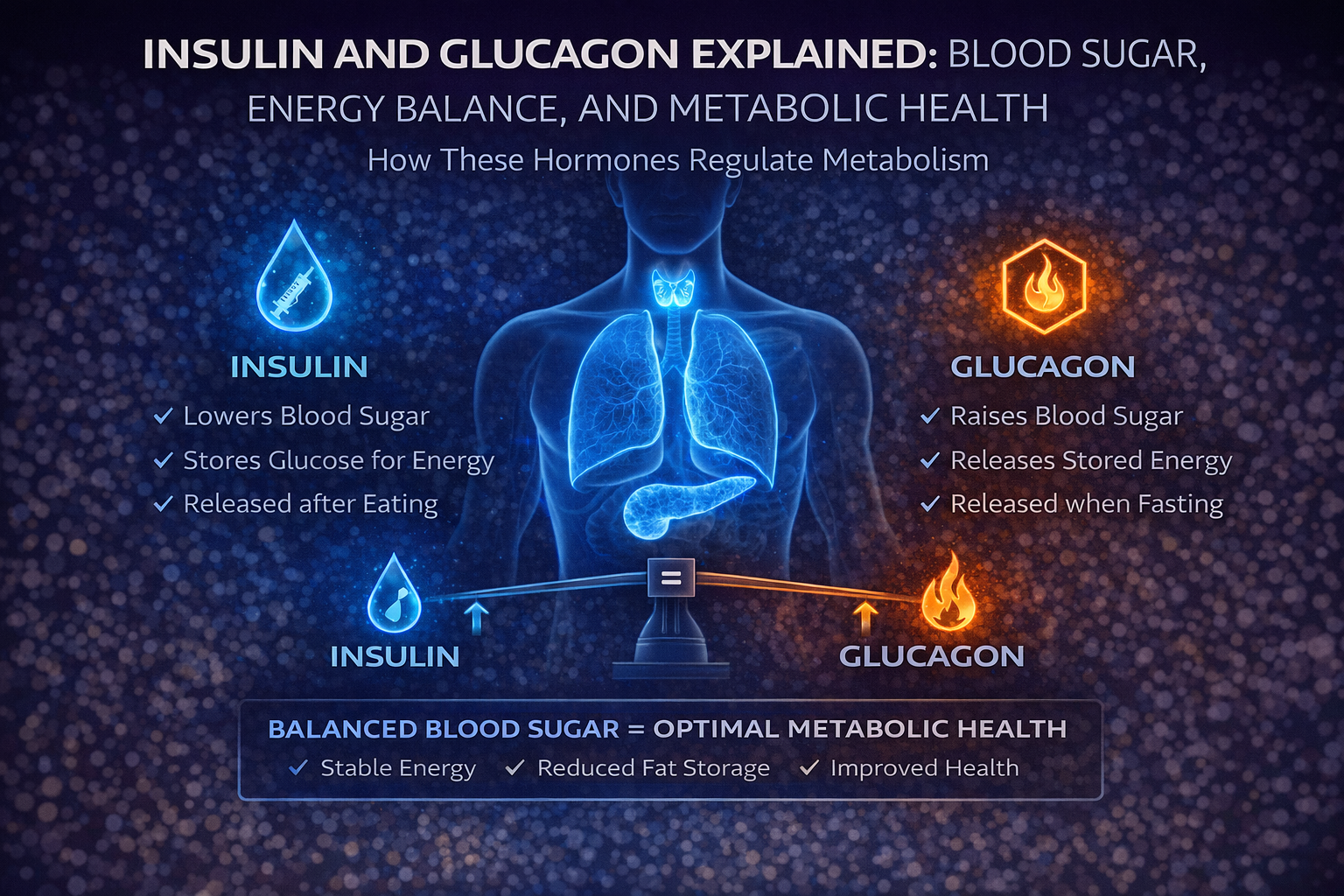
Insulin is one of the most misunderstood hormones in popular nutrition. Understanding how insulin and glucagon work together to regulate blood sugar is foundational to metabolic health.
Education Series
Fat loss is one of the most misunderstood topics in health and fitness. This series cuts through the noise with clear explanations of how fat loss actually works, how to structure it intelligently, and what supplementation can — and cannot — do.
3 Articles

Fat Loss
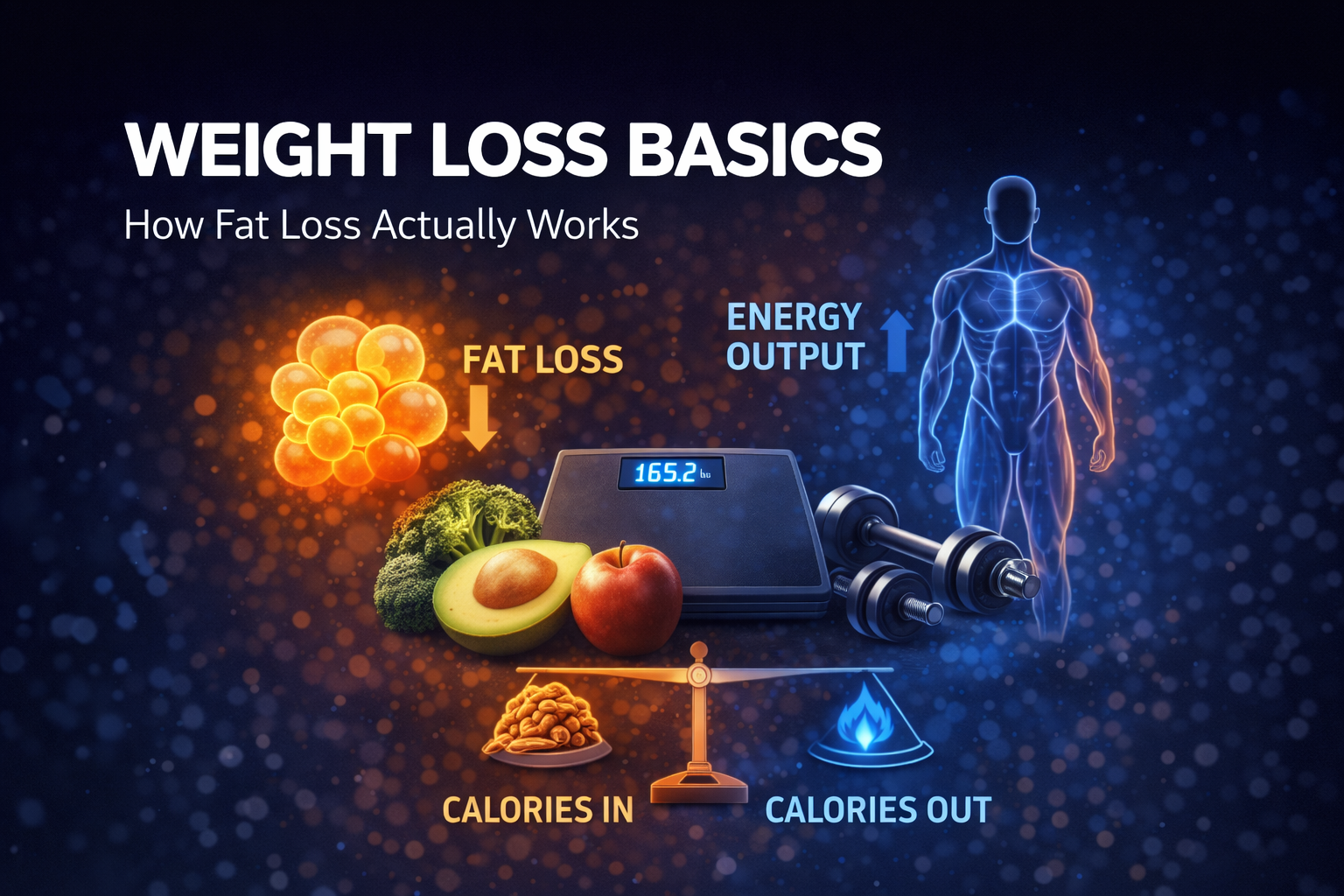
Before trying to manipulate fat loss, it helps to understand the actual biology behind it. Energy balance, substrate utilization, and why "eat less, move more" is true but incomplete.

Fat Loss
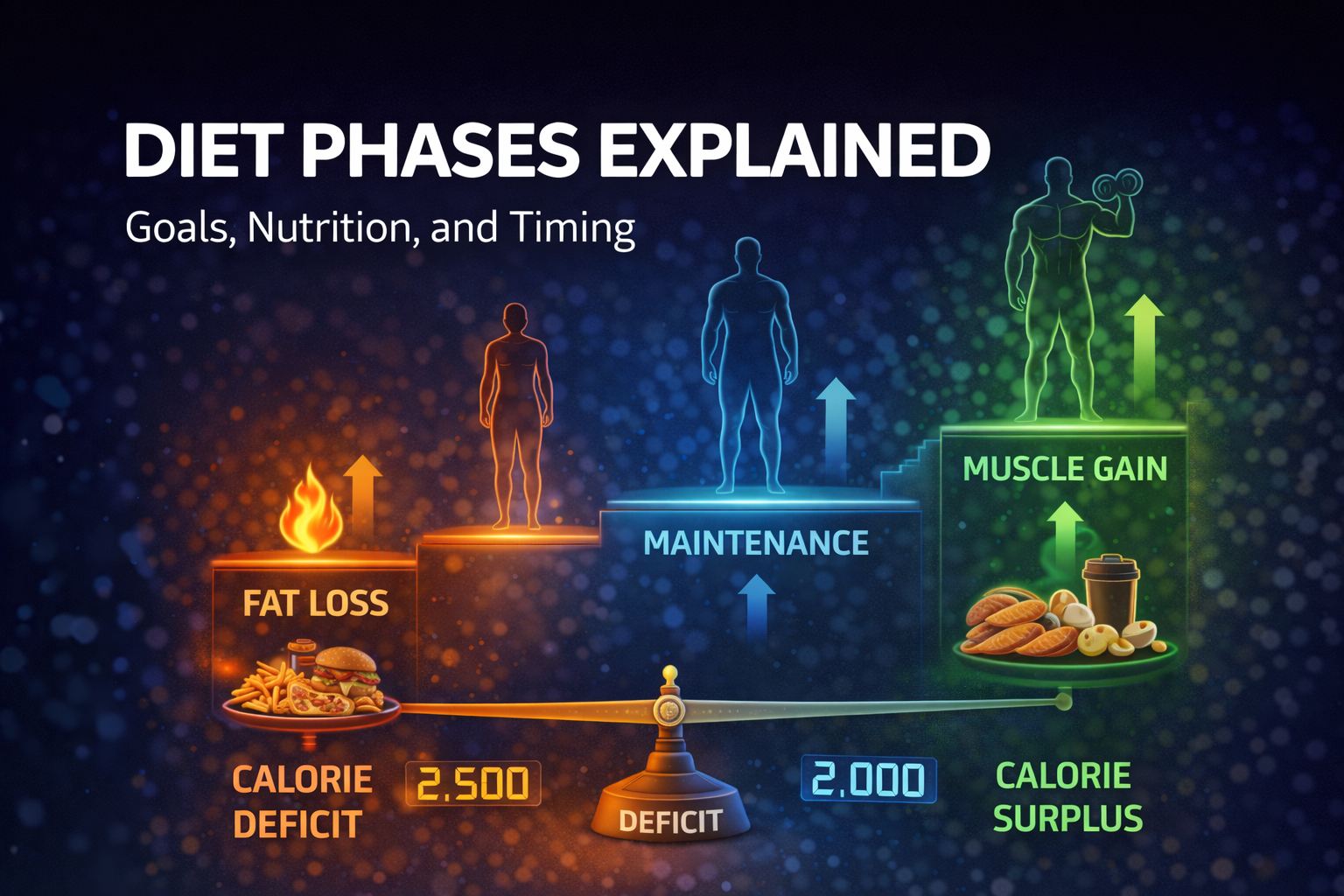
Chronic dieting is one of the most common mistakes in fat loss. Understanding how and when to use a deficit, maintenance phase, or diet break is what separates short-term results from lasting ones.

Fat Loss
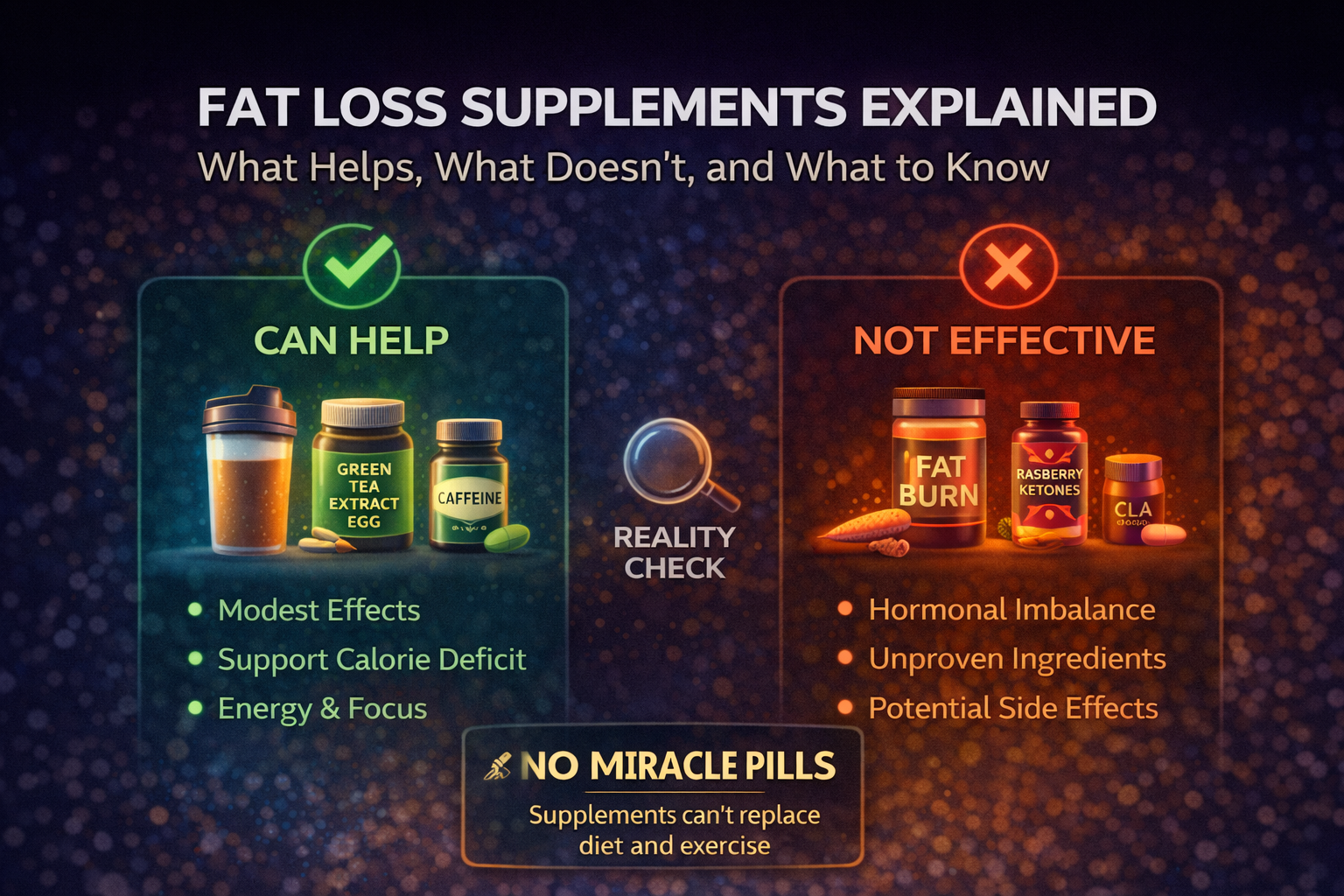
The fat loss supplement industry is enormous and mostly underwhelming. This article separates the evidence-supported options from the marketing noise so you can make informed decisions.
Education Series
Supplements are useful in the right context and overhyped in most others. This series focuses on the few compounds that are actually well-supported by evidence — what they do, who benefits, and how to use them.
3 Articles

Supplements
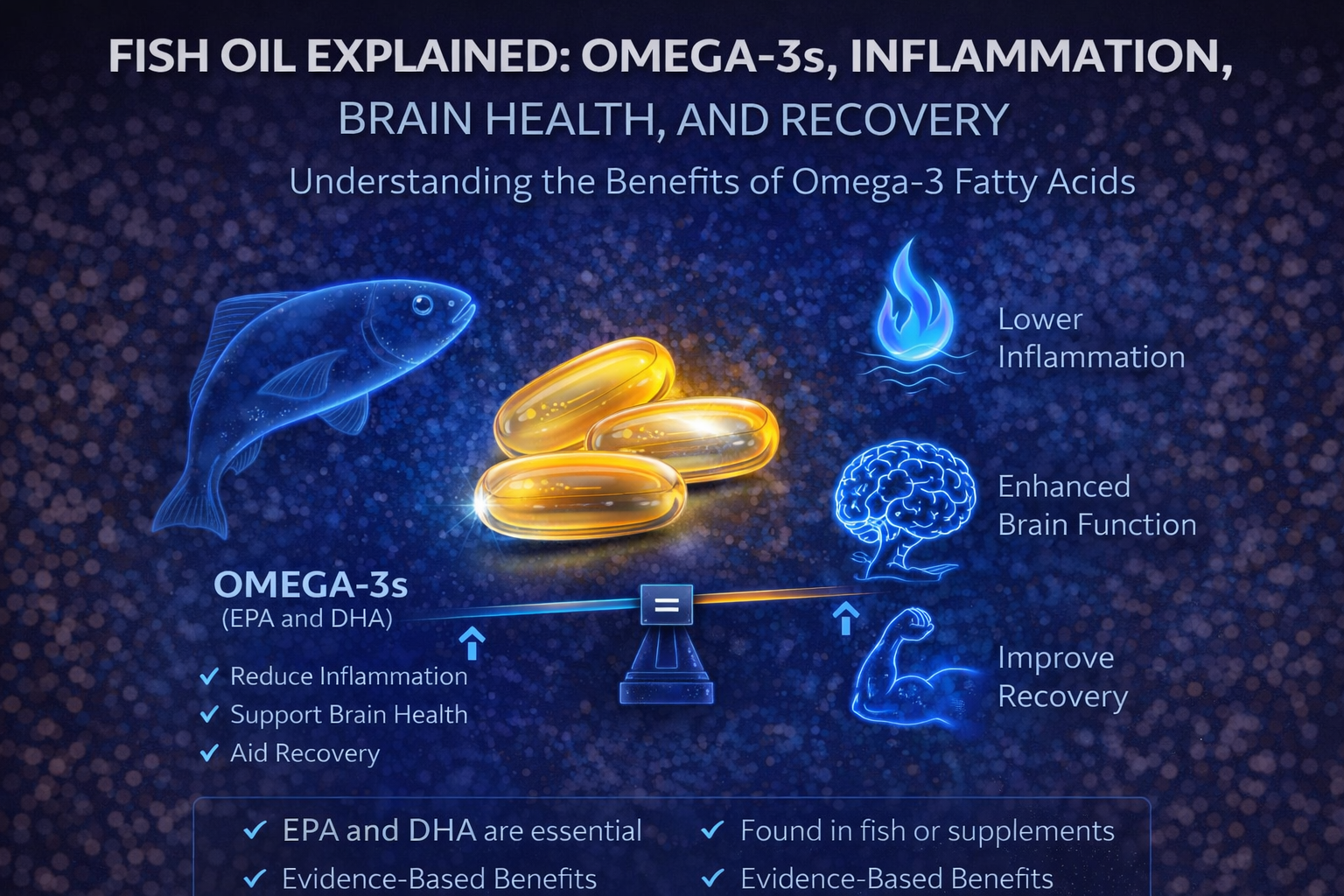
Fish oil is one of the most researched supplements available. Understanding what omega-3s actually do — and what distinguishes quality products from poor ones — is worth knowing.

Supplements
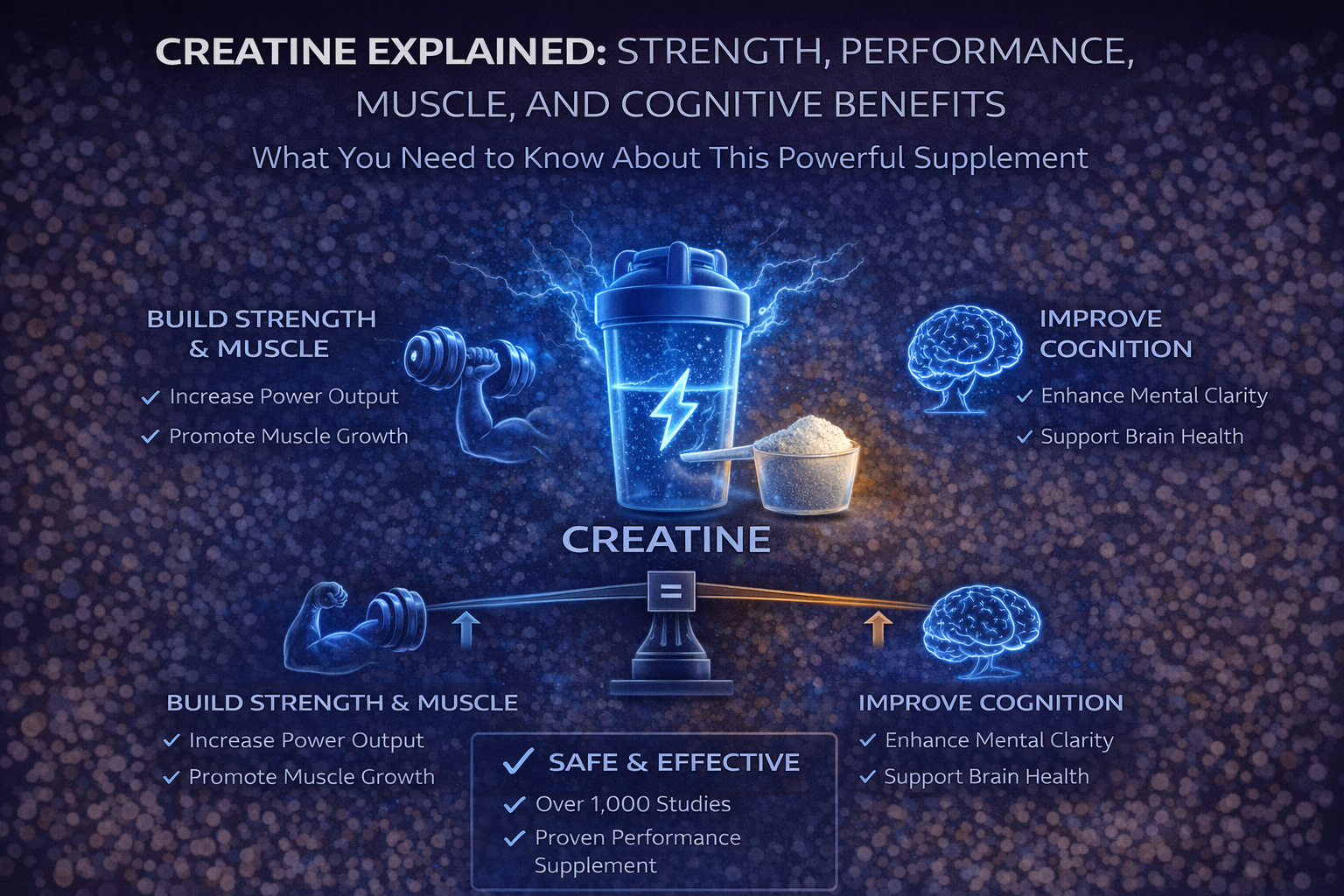
Creatine is the most thoroughly studied performance supplement in existence. It works, it is safe, and most people still have questions about it. Here is the full picture.

Supplements
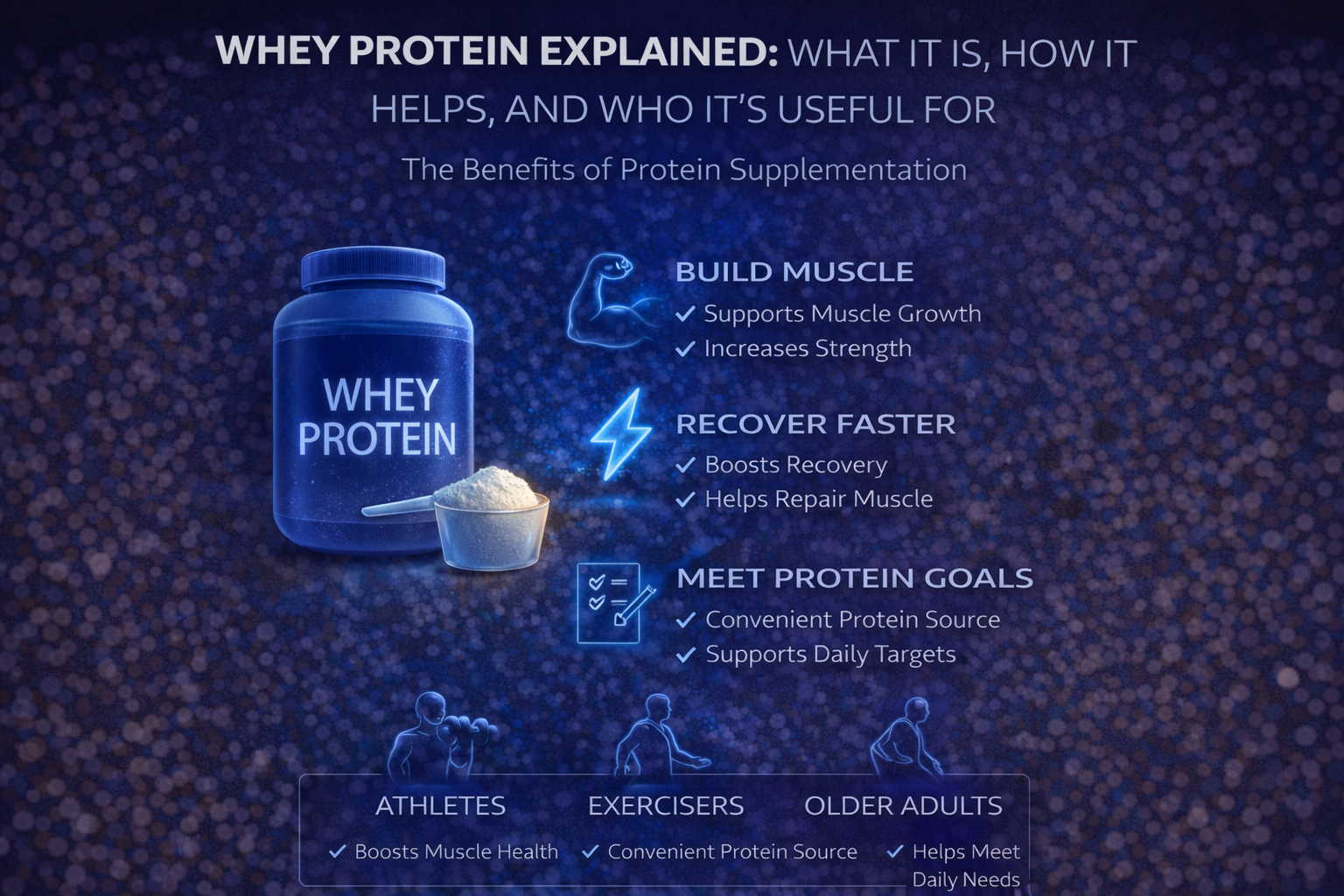
Whey protein is a convenient tool for hitting daily protein targets — but it is not magic. This article explains what whey is, how the body uses it, and when it makes sense to use it.
Education Series
Training is the primary stimulus for body composition change. This series covers the foundational concepts — why resistance training matters beyond aesthetics, how cardio modalities compare, and how beginners can build a smart foundation.
3 Articles

Training
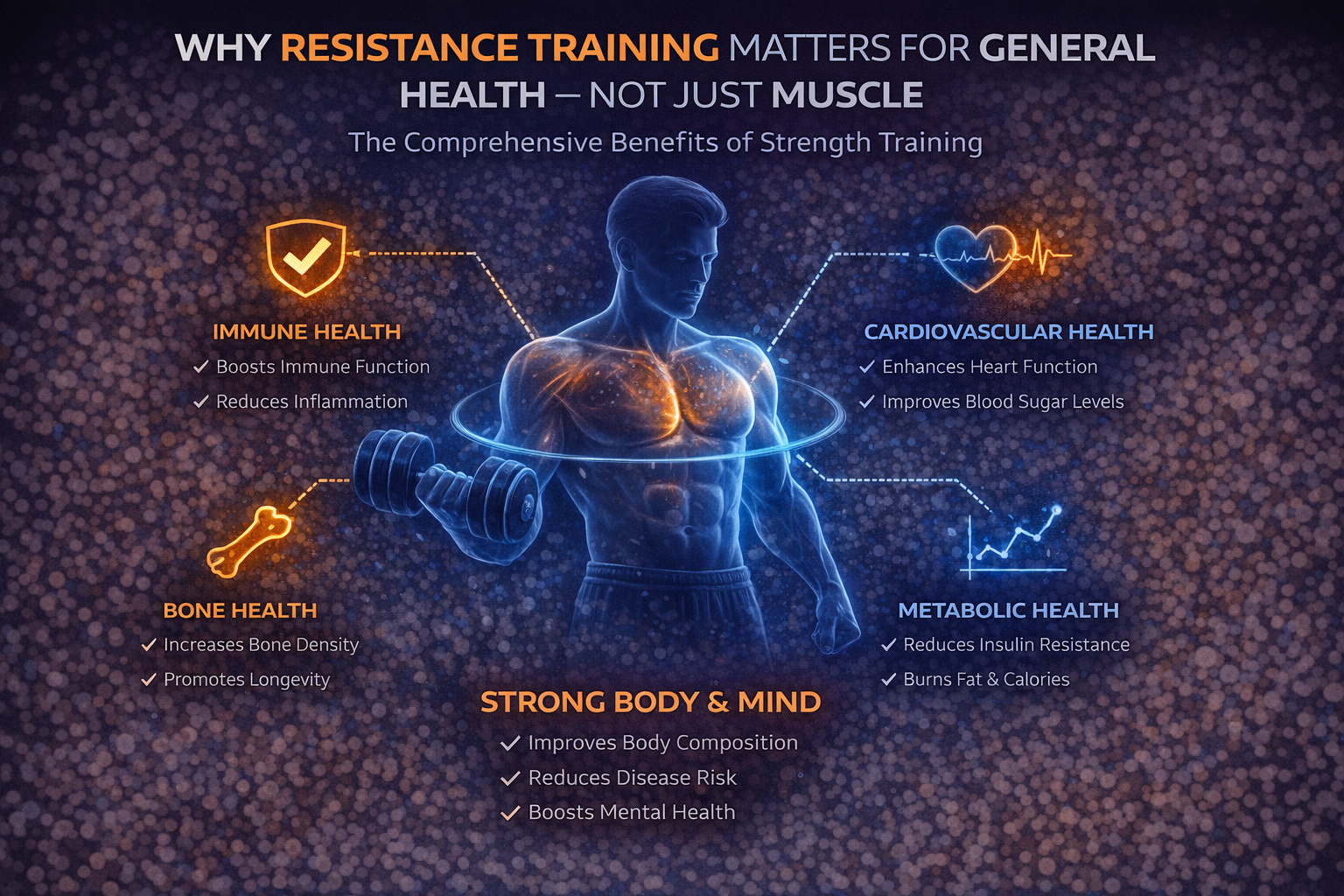
Resistance training is one of the most powerful health interventions available. The benefits extend far beyond aesthetics — bone density, insulin sensitivity, longevity markers, and more.

Training
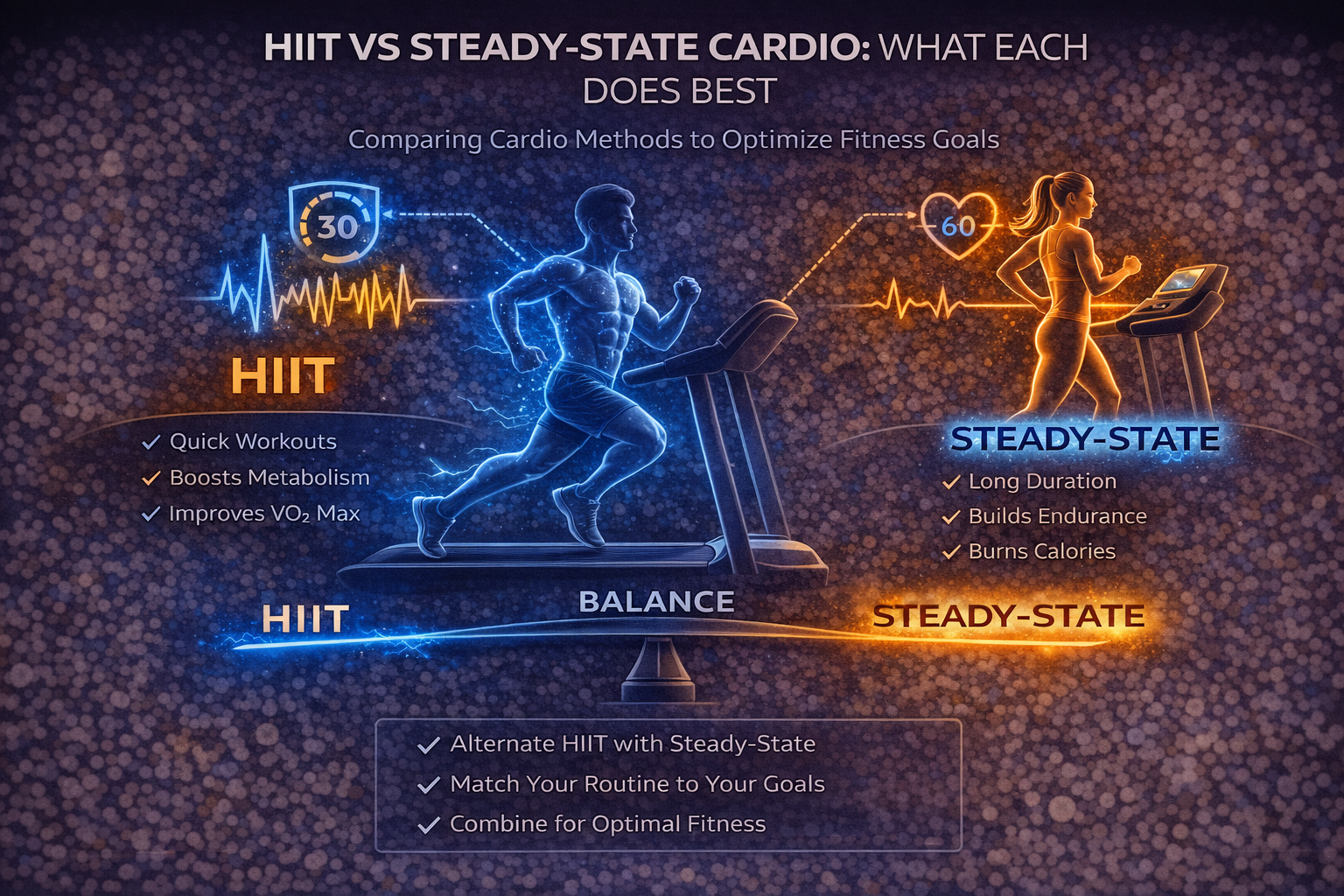
Both have a place in a well-designed program. The question is not which one is better — it is which one is right for your current goal, your recovery capacity, and your schedule.
Training
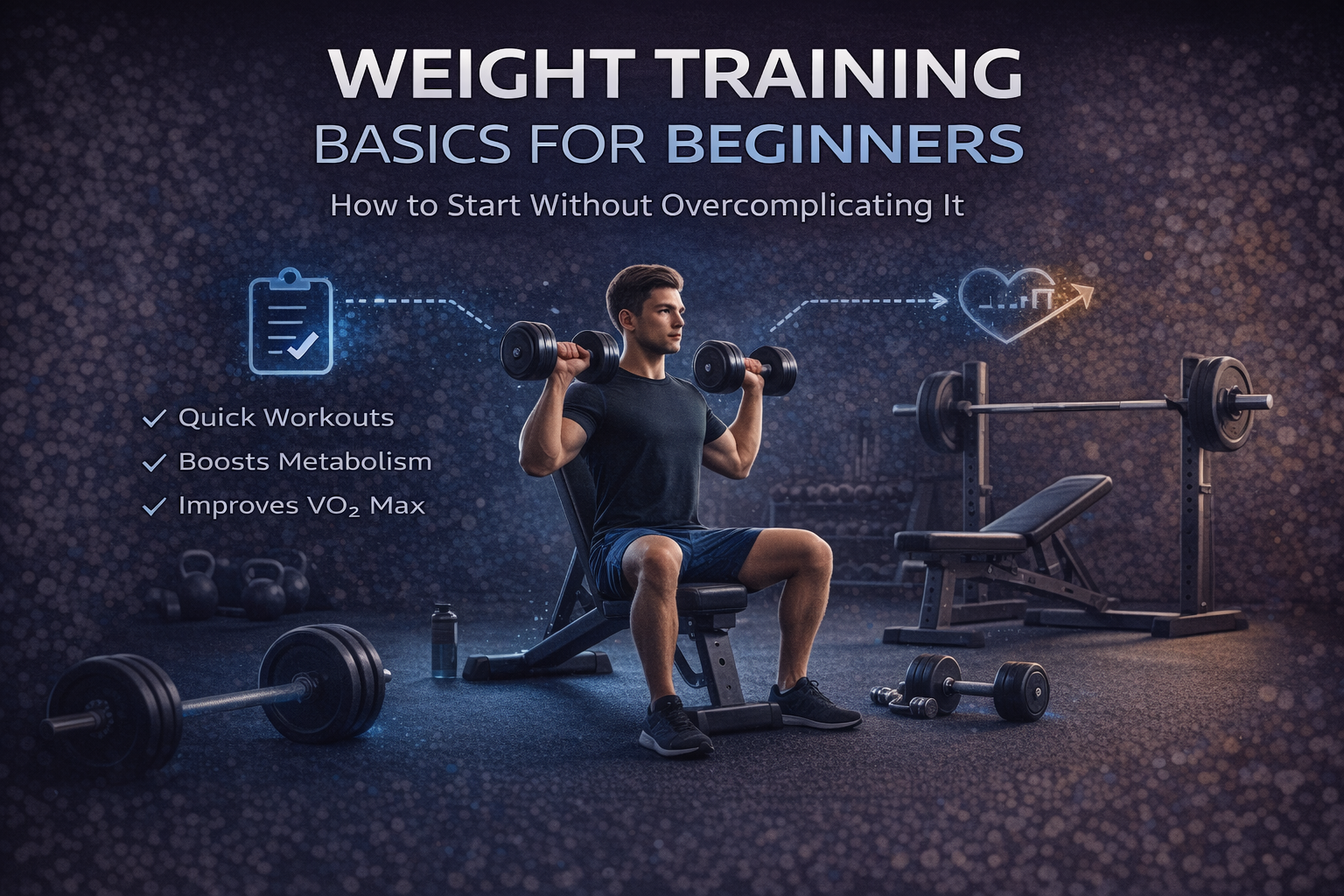
The barrier to starting weight training is rarely physical — it is informational. This article gives beginners a clear, practical framework for getting started with resistance training confidently.